AI won't replace your sales team.
But it will replace sales teams that don't use AI.
After helping 50+ accounts improve their AI visibility and Go-To-Market motion at SCAILE, here's what actually works.
What AI Does Better Than Humans
1. Lead Scoring
Humans score leads based on gut feeling. AI scores based on data:
- Website behavior (time on site, pages visited, downloads)
- Firmographic data (company size, industry, location)
- Engagement signals (email opens, link clicks, demo requests)
Result: Sales teams focus on the leads most likely to convert.
2. Email Personalization (At Scale)
Writing personalized outreach emails doesn't scale. Sending generic templates gets ignored.
AI finds the middle ground:
- Pulls company-specific data (recent funding, product launches, hiring)
- Drafts custom first paragraphs
- Human reviews and sends
Result: significantly higher response rates compared to generic templates.
3. Follow-Up Sequences
The fortune is in the follow-up. Most sales reps give up after 2 emails.
AI never forgets:
- Sends multiple touch points over weeks
- Adjusts timing based on engagement
- Escalates to human when lead shows interest
Result: more deals close because follow-up actually happens.
What AI Can't Do (Yet)
1. Build Genuine Relationships
Cold outreach can be automated. Building trust can't.
AI can book the meeting. Only humans can close the deal.
2. Handle Complex Objections
"Your product is too expensive" has many root causes. AI guesses. Humans diagnose.
Sales reps who understand customer psychology will always outperform bots.
3. Strategic Positioning
AI can write headlines. It can't decide what market to enter or what problem to solve.
Positioning is still a human game.
The SCAILE Example: AI Search Visibility + GTM
At SCAILE, we built an AI visibility engine that helped companies show up in ChatGPT, Perplexity, and Google AI Overviews.
The principle was simple: AI for scale, humans for judgment.
- AI handled: research, content generation, distribution, and repetitive optimization
- Humans handled: positioning, client strategy, and final approvals
This mix let a small team serve 50+ accounts and generate >$20M in lead value.
What Changed for Clients
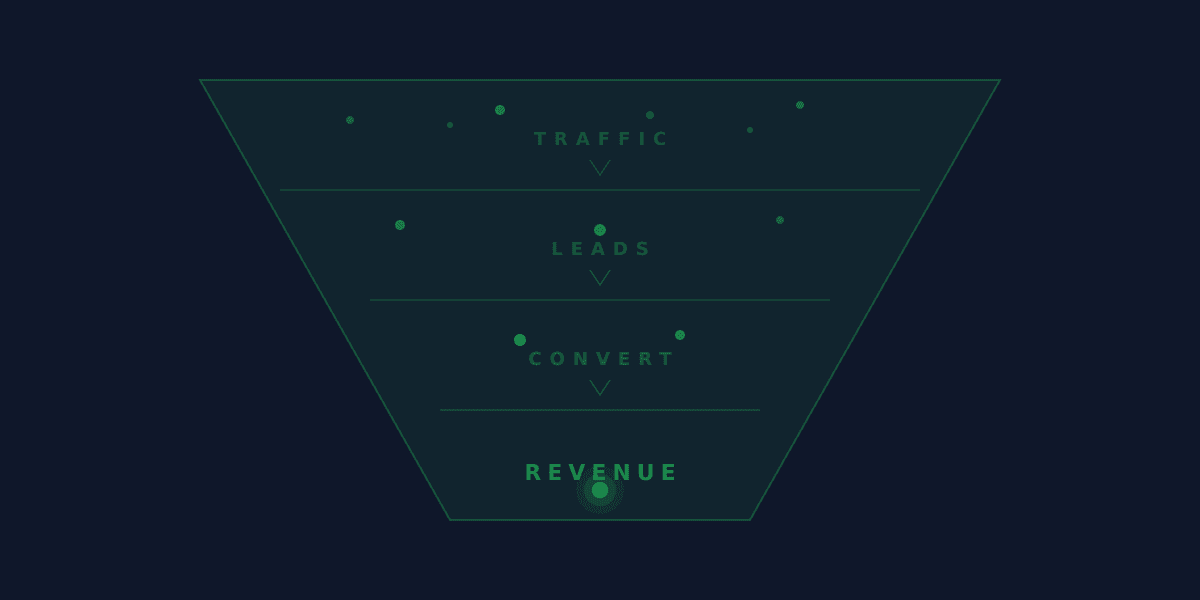
When companies become the answer AI agents cite, the funnel changes:
- Inbound discovery shifts from Google to AI chat
- Buyers show up already educated
- Sales teams spend less time explaining, more time closing
The Boring Truth
AI GTM automation isn't magic. It's systematic execution at scale.
Most companies fail at GTM because they:
- Give up after 2 follow-ups
- Send generic outreach
- Don't track the right metrics
AI doesn't get tired, doesn't forget, and doesn't cut corners.
That consistency compounds.
How to Get Started
1. Audit Your Current Funnel
Where do leads drop off? What manual tasks eat the most time?
2. Automate One Thing
Don't rebuild everything. Pick one high-impact, low-complexity task. Email follow-ups are a great start.
3. Measure Obsessively
Track:
- Lead-to-demo conversion rate
- Demo-to-close conversion rate
- Customer acquisition cost (CAC)
- Time to close
If automation doesn't improve these metrics in 60 days, kill it.
Where AI GTM Is Heading
The lines are blurring fast:
- Voice AI for outbound calls
- Hyper-personalized video outreach
- Predictive lead scoring (which leads will convert in 6 months?)
- Fully autonomous sales agents for SMB deals
The future isn't AI vs. humans. It's AI-augmented humans vs. everyone else.
Want to talk GTM automation? Reach out: hello@fedeponte.com